Our resources

Explore our new toolkit for health professionals or download our posters and leaflets to share with carers you support and display in your workplace.

Local healthcare professional toolkit

Local Healthcare Professionals Toolkit

Download our local health professionals toolkit. If you would like this as a powerpoint for a presentation to yout team, get in touch.

Our posters, leaflets and service guide
Our poster       Our leaflet

Our general outreach leaflet          Our services leaflet
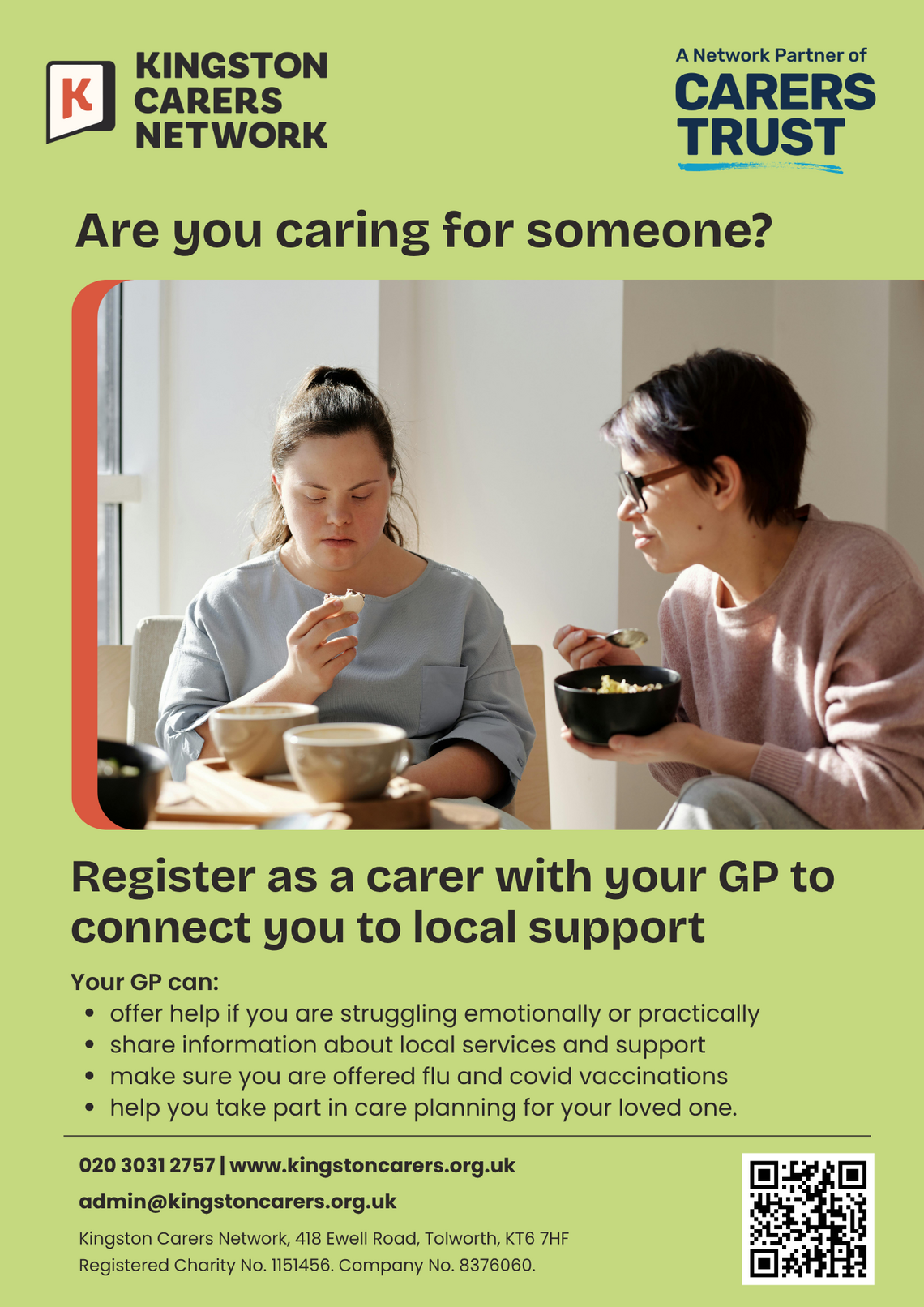
Your GP can         Our services brochure

Your GP can                                    Our services guide

National Carer Support and Information


The Care Act helps to improve people’s independence and wellbeing. It makes clear that local authorities must provide or arrange services that help prevent people developing needs for care and support or delay people deteriorating such that they would need ongoing care and support.

This toolkit is targeted at commissioners of health and social care in England and aims to highlight the needs of carers aged over 60 and to show tried and tested ways they can be supported.

This guidance demonstrates how commissioning for carers can help CCGs deliver desired outcomes and make savings across health and social care.

A series of factsheets for carers looking to get back into work and in work. They are aimed at carers in London but are also useful for carers across the UK. They have been developed as part of the Working for Carers project.

One of the main obstacles to carers getting the right support is identification – both self-identification and identification by health professionals. This document highlights some of the good practice that has been developed by Carers Trust Network Partners. We hope it will encourage GP practices to look at the ways they identify carers, and enable carers to get the support they need.

This resource is primarily aimed to be a guide for local government. The Children and Families Act 2014 places a duty on local authorities to take ‘reasonable steps’ to identify young carers in their area who have support needs. This resource sets out these duties and shows how local government can work with education, health and social care partners to take the steps necessary to increase identification of young carers.

This report highlights how older parent carers and ageing carers who face additional barriers to accessing services should be supported to prepare for a time when they are less able or unable to provide care. The report is accompanied by resources for commissioners, providers and front line staff to use in the development of support for carers to plan for a future when they are less able or unable to care.

The Retirement on Hold report highlighted some of the challenges faced by older carers and made recommendations to improve their experience now and in the future.

These documents showcase good practice in Social Prescribing and interventions combatting loneliness amongst unpaid carers. They explore how local VCSE organisations and statutory partners have worked together to develop successful Social Prescribing and interventions aimed at combatting loneliness amongst unpaid carers.

This resource has been written in association with teachers and school staff to help make the identification and support of young carers in schools as easy as possible.

The Triangle of Care describes a therapeutic relationship between the person with dementia (patient), staff member and carer that promotes safety, supports communication and sustains wellbeing. This guide is aimed at acute hospital wards and services where a person with dementia may be admitted but their dementia is not the reason for their admission.

Carers Trust has developed the Triangle of Care for Children and Young People’s Mental Health Services (CYP MHS) as a supplementary guide to complement the Triangle of Care (Carers Trust, 2013) and to help mental health professionals in CYP MHS to be better able to identify, understand and support carers.

These resources are designed to support the training of a wide range of professionals and volunteers to identify and support young carers.